Understanding RF Microneedling: A Comprehensive Guide
Updated: May 27
What Is RF Microneedling?
RF microneedling combines traditional microneedling with radiofrequency energy. Tiny needles create controlled micro-injuries in the skin, while radiofrequency waves heat the deeper layers. This dual action stimulates collagen and elastin production, aiming to improve skin firmness and reduce scars or wrinkles.
Though it sounds promising, the procedure involves penetrating the skin and applying heat. This can lead to complications if not done correctly or if the patient is not a suitable candidate.
Common Side Effects of RF Microneedling
Most patients experience some mild side effects immediately after treatment. These include:
Redness and swelling: The skin often looks flushed and puffy for a few days.
Tenderness and sensitivity: Treated areas may feel sore or sensitive to touch.
Dryness and peeling: As the skin heals, it may flake or peel.
Bruising: Minor bruising can occur, especially in sensitive areas.
These effects usually resolve within a week. However, more serious side effects can happen, especially if the procedure is performed improperly or on unsuitable skin types.
Potential Risks and Serious Complications
Burns and Scarring
The radiofrequency energy heats the skin’s deeper layers. If the device settings are too high or the treatment is too aggressive, it can cause burns. Burns may lead to permanent scarring or pigmentation changes.
A 2020 study published in the Journal of Cosmetic Dermatology reported cases of second-degree burns following RF microneedling when performed by inexperienced practitioners. The study emphasized the importance of proper training and device calibration.
Infection
Microneedling creates tiny punctures in the skin, which can become entry points for bacteria. If the treatment environment or tools are not sterile, there is a risk of infection. Signs include increased redness, pus, pain, or fever.
Experts recommend strict hygiene protocols and sometimes prescribe topical antibiotics post-treatment to reduce this risk.
Hyperpigmentation and Hypopigmentation
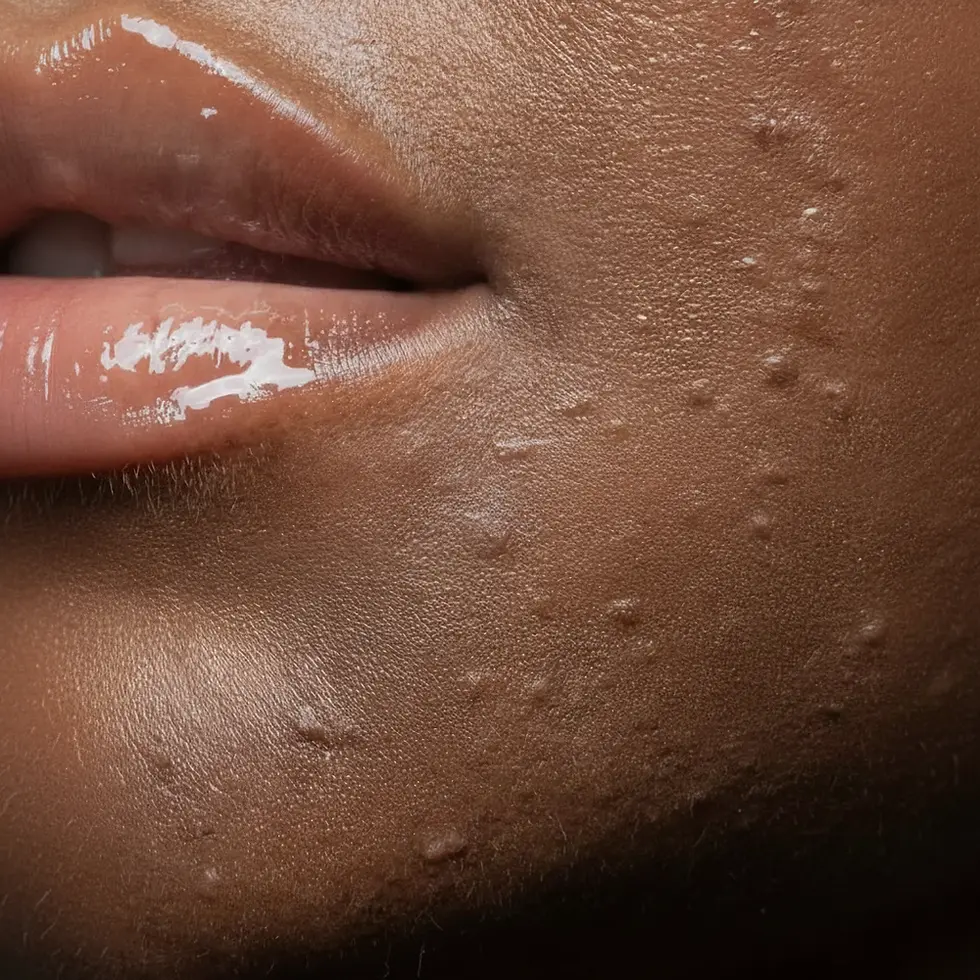
Some patients, especially those with darker skin tones, may develop uneven pigmentation after RF microneedling. Hyperpigmentation (dark spots) or hypopigmentation (light spots) can occur due to skin trauma or inflammation.
A dermatologist interviewed by Skin Health Today noted that patients with Fitzpatrick skin types IV to VI should approach RF microneedling cautiously, as their skin is more prone to pigment changes.
Allergic Reactions and Sensitivity
Certain topical products used before or after treatment can cause allergic reactions. Additionally, the skin may become more sensitive to sunlight, increasing the risk of sunburn or irritation.
Who Should Avoid RF Microneedling?
Not everyone is a good candidate for RF microneedling. Avoiding the procedure can prevent complications and poor outcomes.
People with Active Skin Infections or Conditions
Anyone with active acne, eczema, psoriasis, or cold sores should postpone RF microneedling until the condition clears. Treating inflamed or infected skin can worsen symptoms and increase infection risk.
Individuals with Certain Medical Conditions
People with autoimmune diseases, diabetes, or poor wound healing should consult a healthcare provider before considering RF microneedling. These conditions can impair recovery and increase side effects.
Pregnant or Breastfeeding Women
There is limited research on the safety of RF microneedling during pregnancy or breastfeeding. Experts generally advise avoiding elective cosmetic procedures during this time.
Those with Metal Implants or Pacemakers
Since radiofrequency energy interacts with metal, patients with implants or pacemakers should avoid RF microneedling to prevent interference or injury.
Expert Opinions on Safety and Best Practices
Dr. Lisa Monroe, a board-certified dermatologist, stresses the importance of choosing a qualified professional for RF microneedling. She says, “The skill of the practitioner and the quality of the device are critical to minimizing risks. Patients should ask about certifications and see before-and-after photos.”
Research also supports the use of conservative settings and multiple lighter treatments rather than aggressive single sessions to reduce side effects.
How to Prepare and Care for Your Skin
Preparation and aftercare play a vital role in reducing risks:
Avoid sun exposure for at least two weeks before and after treatment.
Disclose your medical history and skin conditions to your provider.
Follow pre-treatment instructions, such as stopping certain skincare products.
Keep the treated area clean and moisturized.
Use sunscreen daily to protect sensitive skin during healing.
When to Seek Medical Attention
If you experience any of the following after RF microneedling, contact a healthcare professional immediately:
Severe pain or swelling lasting more than a few days
Signs of infection such as pus, fever, or spreading redness
Blistering or open wounds
Sudden changes in skin color or texture
Final Thoughts on RF Microneedling Safety
RF microneedling can be an effective treatment for skin rejuvenation, but it is not without risks. Understanding these risks is crucial for making informed decisions about your skincare. Always consult with a qualified professional before proceeding with any treatment.
If you’re considering RF microneedling, remember that safety is paramount. Take the time to research and choose a reputable provider. Your skin deserves the best care, and with the right approach, you can achieve beautiful, natural results.
For more information on enhancing your natural beauty, visit Fit Bella Sculptory.



Comments